Cost-Effective Senior Care Services: Maintaining Comfort and Well-being at Home
Affordable senior care services are vital in assisting the aging population. These options, such as at-home assistance and community services, allow seniors to maintain autonomy while receiving required support. Families often face difficulties in selecting the appropriate type of care. Understanding the different services available and their effects can greatly affect an elderly person's standard of living. Exploring key factors in choosing may uncover surprising findings. What factors should families prioritize to guarantee the best care?
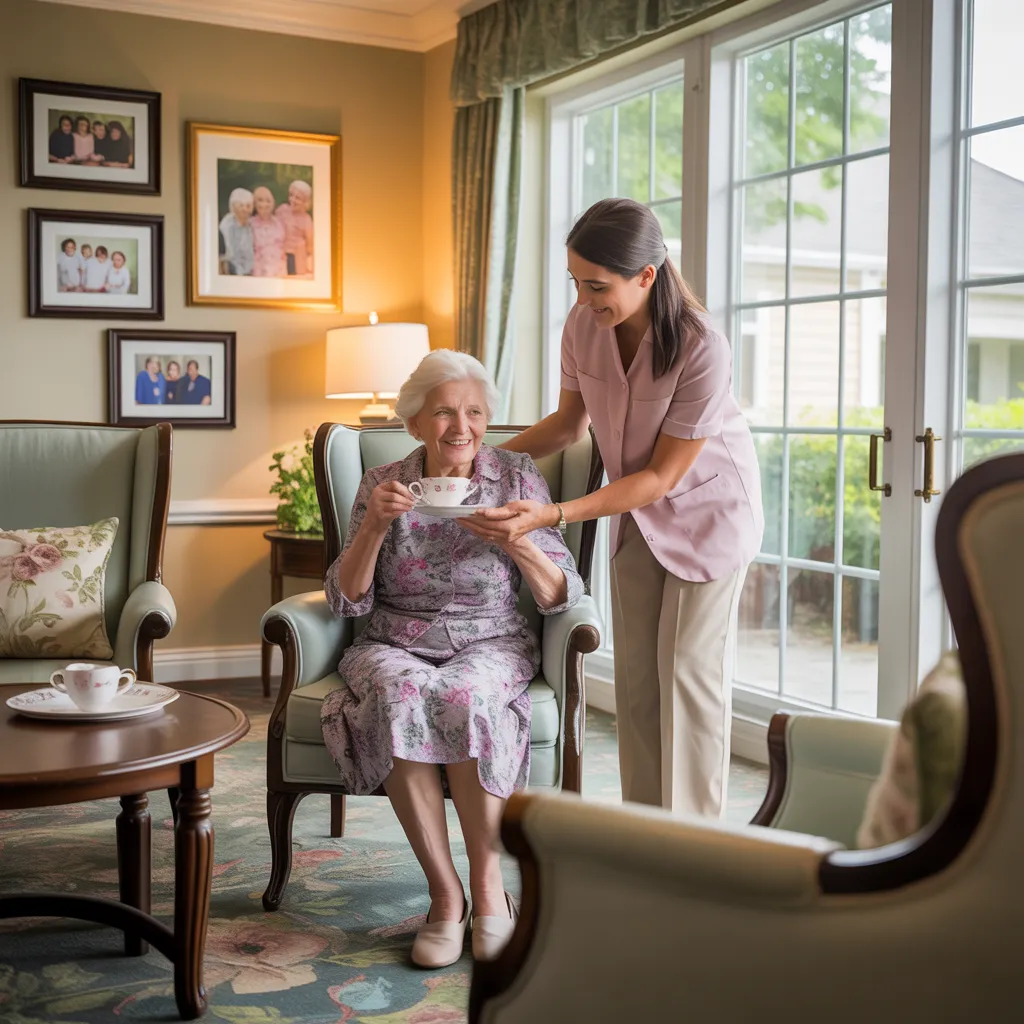
Range of Budget-Conscious Elderly Care Options
Affordable senior care services cover a broad range of choices tailored to fit the specific needs of older adults. These offerings generally include in-home care, involving assistance with daily tasks such as bathing, preparing meals, and managing medications. Another alternative is adult day care, which provides a secure setting for seniors during the day, letting caregivers have respite while providing social interaction and activities for those attending. Moreover, community-based services, including transportation and meal delivery, increase seniors' independence by helping them stay connected to their communities. Respite care is also provided, offering family caregivers temporary relief while ensuring their loved ones receive essential support. Lastly, senior centers frequently provide programs that encourage health, wellness, and social involvement, fostering belonging. These multiple options enable families to select the most appropriate care solutions based on personal needs and financial circumstances.
How Can You Evaluate the Difference Between Home Care and Assisted Living?
When assessing the ideal care solution for an aging loved one, how do you balance the advantages of home care with those of assisted living? Home care allows seniors the chance to remain in a comfortable environment, fostering comfort and emotional well-being. Caregivers give individualized care, covering companionship and medical help, matched to personal requirements. This choice frequently promotes independence, allowing seniors to keep up their daily routines.
On the other hand, residential care homes provide broad services, encompassing meals, community events, and 24/7 supervision. This environment supports social interaction and engagement, which can be beneficial for mental health.
In the end, the decision depends on the senior's medical condition, degree of autonomy, and individual desires. Families should assess the severity of care required, financial implications, and the senior's preference for social engagement or home-based comfort. A thorough assessment of these factors will guide families to the most appropriate option for their loved one's care.
Key Factors for Evaluating Standards in Elderly Care Services
When assessing senior care services, several essential factors emerge as markers of quality. Staff credentials and professional development play an vital role in ensuring effective support, while strong safety measures and guidelines are essential for maintaining a safe environment. Additionally, customized care strategies can greatly enhance the health and happiness of seniors by meeting their individual requirements and desires.
Caregiver Skills And Instruction
Although the availability of compassionate caregivers is crucial, their qualifications and training greatly impact the quality of elderly care provision. Caregivers should possess relevant certifications and educational backgrounds in areas including nursing, geriatric care, or social work. Training programs that focus on practical skills, communication, and empathy are critical for effective caregiving. Continuous career advancement guarantees that caregivers remain current on best practices and evolving needs of seniors. Background checks and references additionally strengthen trustworthiness, offering peace of mind to families. Ultimately, well-trained caregivers not only provide essential daily support but also foster a soothing atmosphere, encouraging both physical and emotional well-being. Assessing these qualifications can greatly influence the total associated article standard of support provided by seniors at home.
Safety Standards And Procedures
How can families ensure their family members are protected while receiving elderly care? Establishing robust safety measures and guidelines is essential. This includes regular safety evaluations of the home environment, verifying it is free from risks like clutter or insufficient lighting. Care providers should have set protocols for emergency situations, including clear communication channels and readily available emergency contacts. Regular training programs for caregivers on safety practices improve their readiness. Additionally, families should verify that elderly care providers adhere to local regulations and standards, which frequently include safety guidelines. Monitoring the execution of these protocols enables families ascertain that their family members obtain assistance in a secure and protected environment, eventually promoting their well-being and peace of mind.
Individual Wellness Plans
Individualized care plans are essential for ensuring that senior care services address the unique needs of every individual. These plans are customized to cover various aspects of a senior's life, including health, emotional, and social needs. Assessment starts with a comprehensive evaluation by healthcare professionals, who review medical history, current health status, and personal preferences. Effective communication between caregivers, family members, and the senior is vital for creating a plan that encourages independence and improves quality of life. Regular reviews and modifications to the care plan ensure that it stays relevant as circumstances evolve. This proactive approach not only supports physical health but also promotes emotional well-being, ultimately resulting in a more fulfilling and dignified life at home.
How to Acquire Monetary Assistance for Elderly Care?
When seeking financial support for senior care, grasping the range of resources available for families is critical. Public assistance initiatives, charitable organizations, and insurance plans can substantially reduce the economic burden. Looking into these possibilities is important for securing access to quality care affordably.
Government Aid Programs
Numerous households encounter the complex issue of funding senior care, frequently relying on government assistance programs for support. These programs provide crucial financial aid to assist with costs tied to in-home care, adult day care, and nursing facilities. Assistance programs like Medicaid, Medicare, and Veterans Administration benefits offer a range of support depending on eligibility standards. Families are able to apply through local and state offices, making sure to compile necessary paperwork like income and asset statements. Understanding each program’s requirements is essential; some may cover specific services while others have income limits. Collaborating with a financial advisor or senior care navigator can guide families through this intricate process, ensuring they maximize resources for their loved ones’ care.
Provided Resources for Nonprofits
While working through the complexities of elderly care costs, families often miss important charitable organizations that can provide substantial monetary support. Many groups focus on assisting seniors and their families, offering financial assistance, educational support, and programs customized for specific situations. Local nonprofits may offer financial assistance for residential improvements, transportation, or domestic caregiving support, reducing monetary strain. Additionally, national organizations like the Area Agencies on Aging can connect families with community support, ensuring access to vital assistance. Working alongside these nonprofits not only enhances care options but also opens doors to community programs intended to enhance seniors' standard of living. Families are encouraged to investigate and make contact, as these resources can substantially ease the monetary pressure associated with senior care.
Insurance Types Made Clear
Steering through the terrain of senior care financing often leads households to assess various coverage choices that can deliver essential financial support. Extended care coverage is a primary choice, providing services like home-based assistance and supportive housing. Families may also investigate Medicare, which offers restricted coverage for professional care and home health services, but generally does not cover long-term care. Medicaid, on the other hand, can be an important resource for economically disadvantaged seniors, offering comprehensive assistance for those who qualify. Additionally, some life coverage plans may offer living benefits or accelerated death benefits for extended care costs. Understanding these options enables households to make informed decisions, ensuring that their loved ones receive the required support without undue financial strain.
How to Access Community Resources for More Affordable Senior Care
Many local support systems exist to support families find affordable senior care options. Local government programs commonly provide support by way of subsidized programs, including meal delivery and transit support. Area Agencies on Aging serve as critical information centers, bringing together families with available resources and care assistance tailored to seniors' needs.
Nonprofit organizations regularly offer programs that can reduce the cost of care, such as volunteer-based companionship and home maintenance aid. Additionally, faith-based organizations may deliver services or funding to help seniors live in their homes.
Families can also examine senior centers that often offer activities, workshops, and resources for caregivers, strengthening social support. Interacting with other families through community forums can find undiscovered resources and shared experiences. By making use of these community assets, families can greatly minimize the costs tied to senior care while confirming their loved ones obtain the support they need.
Creating a Smooth Transition for Your Senior Dear One
Leveraging local support services can greatly ease the process of adjusting to new care plans for elderly family members. Local organizations often provide assistance programs such as transit services, meal delivery, and recreational programs, which can improve the quality of life. Establishing a routine is crucial; routine comfort can help alleviate anxiety during this change.
Engaging the aging individual in decisions about their treatment creates a sense of control and dignity. Supporting open communication about their wants and requirements can also enable a easier adjustment.
In addition, constructing a warm and familiar area at home, filled with meaningful possessions and pictures, can offer psychological support. Regular visits from loved ones can also lift their emotional state, making the adjustment feel less isolating. By employing these tactics, loved ones can aid their family members in navigating this significant life change with superior comfort and assurance.
Regular Inquiries Posed Often
What Requirements Ought to Be Necessary for Professional Caregivers in Senior Care Programs?
Care providers for senior care services should obtain proper qualifications, expertise with elderly care, effective verbal and written communication, understanding, and the capability to perform tasks such as pharmaceutical oversight, personal hygiene assistance, and mobility support for clients.
What Ways Can Households Use to Assess Care Quality at Home?
Families are able to evaluate service standards by remaining connected with care workers, visiting the residence, watching their engagement, and documenting services of support offered. Comments from seniors can also deliver helpful information into their satisfaction levels and overall condition.
What Are the Warning Signs That an Elderly Person Requires Extra Support?
Signals that a older person needs greater care include more frequent memory loss, difficulty completing daily activities, obvious weight loss, many falls, social withdrawal, and modifications in mood or behavior, showing a decline in their overall wellness.
Can Digital tools Help in Elderly care at Home?
Technology can meaningfully support in elderly at-home care by supplying remote monitoring, medication reminders, and emergency response systems. Such equipment strengthen protection, encourage self-reliance, and permit care providers to give quick support when necessary.
Which Official Documents Do Families Need to Create for Senior Care Decision Making?
Families should create essential legal documents such as durable power of attorney, healthcare proxy, living wills, and guardianship papers. These documents guarantee thoughtful choices and safeguard seniors' rights and preferences in healthcare management.